Dubai studio guide · 11 August 2026
3D Visualization in Dubai: What Developers and Designers Should Look For
A strong visualization partner does more than produce polished images. The studio has to understand the design, the audience, the approval process, and how every frame will be used.
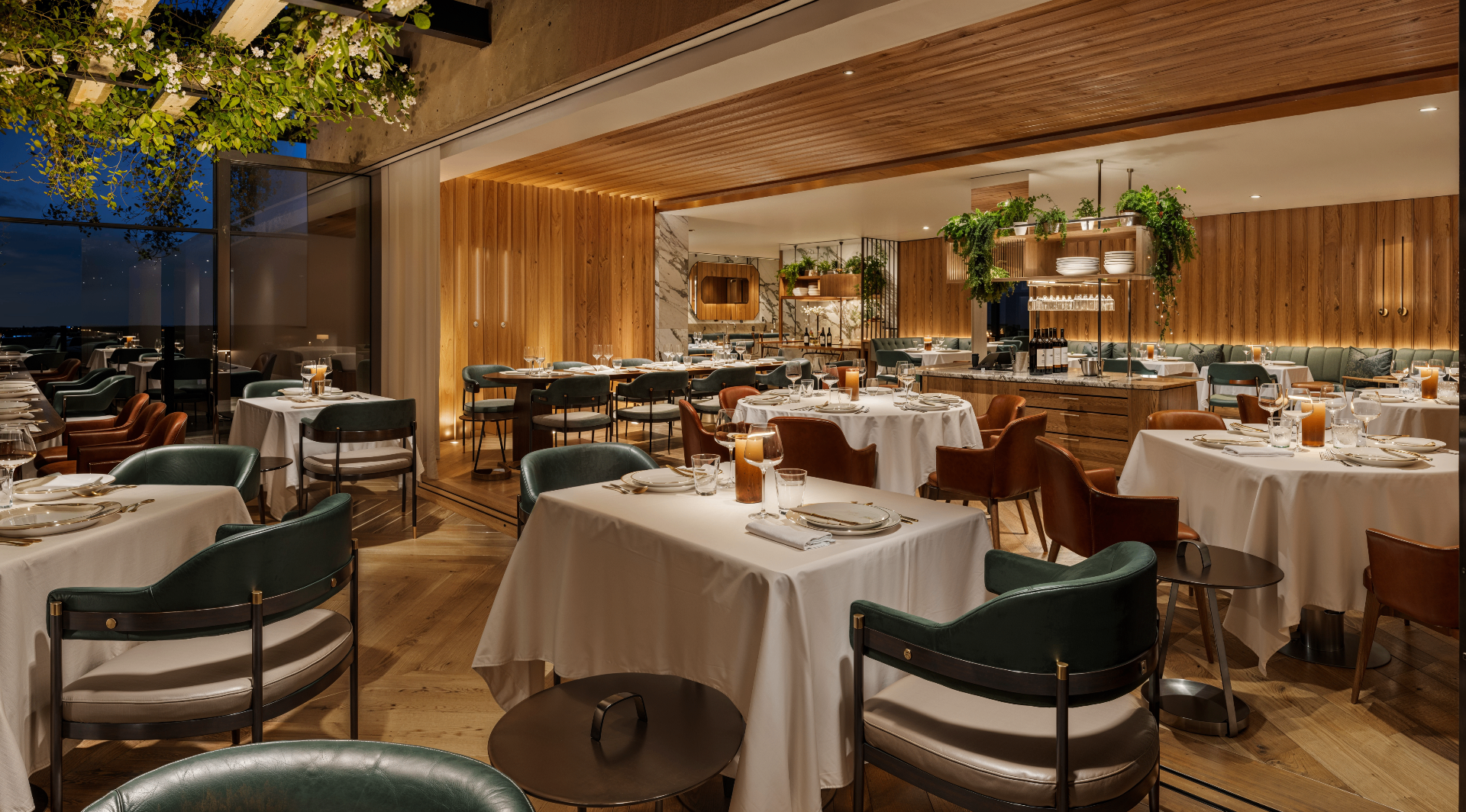
Begin with relevance, not volume
A long portfolio is not automatically a useful one. Look for work that demonstrates the decisions your project will require: believable exterior light, controlled interior materiality, specialist yacht or aircraft knowledge, or the ability to carry one visual language across stills and motion. The closest image to your brief is useful, but consistency across an entire body of work is the better signal.
Ask how the studio reads a design package
Good CGI begins before rendering. A studio should be able to identify what is resolved, what remains open, and which missing decisions will visibly affect the final image. Plans, elevations, models, schedules, references, and material samples each answer different questions. A clear intake process prevents the image from becoming a collection of assumptions.
For Dubai architecture and interiors, context matters too: solar direction, view corridors, landscaping, surrounding development, and the difference between an approval image and a campaign hero. Those choices should be discussed rather than hidden inside production.
Review accuracy and atmosphere together
Technical accuracy without visual judgment produces a correct but forgettable frame. Atmosphere without control produces an attractive image that may no longer represent the project. The strongest visualization balances both. Camera, composition, light, styling, and post-production should reinforce the architecture—not distract from it.
Understand revisions before production starts
Ask what each review stage is meant to resolve and who should be involved. Early feedback should concentrate on geometry, camera, and broad direction. Later feedback can move into materials, styling, lighting, and finish. When major spatial decisions arrive during final retouching, time is lost and visual consistency becomes harder to protect.
Commission for the real destination
A sales gallery screen, planning submission, owner presentation, social campaign, and full-width hoarding place different demands on an image. Define formats, crops, duration, and delivery resolution early. A studio can then frame the work so one production effort creates a coherent family of useful assets rather than a single image that has to be forced into every channel.
Where AI belongs
AI can accelerate exploration and help extend approved visual content, but it does not remove the need for controlled geometry, materials, cameras, and revisions. Ask where it will be used, how outputs remain repeatable, and what happens when one precise element must change. The answer should be specific to your project rather than a general promise about speed.
A useful first conversation
Bring the project stage, intended audience, available files, required outputs, timing, and any fixed design decisions. The studio should leave that conversation able to describe the problem clearly—not simply repeat the requested shot count.
Explore Mosh Design’s 3D visualization services in Dubai, review our selected work, or start a project conversation.