Builder Guide
3D Boat Rendering for Custom Builders
How custom boat builders and small shipyards can use 3D boat rendering to sell new designs, secure approvals, and align clients before cutting metal or laying fibreglass.
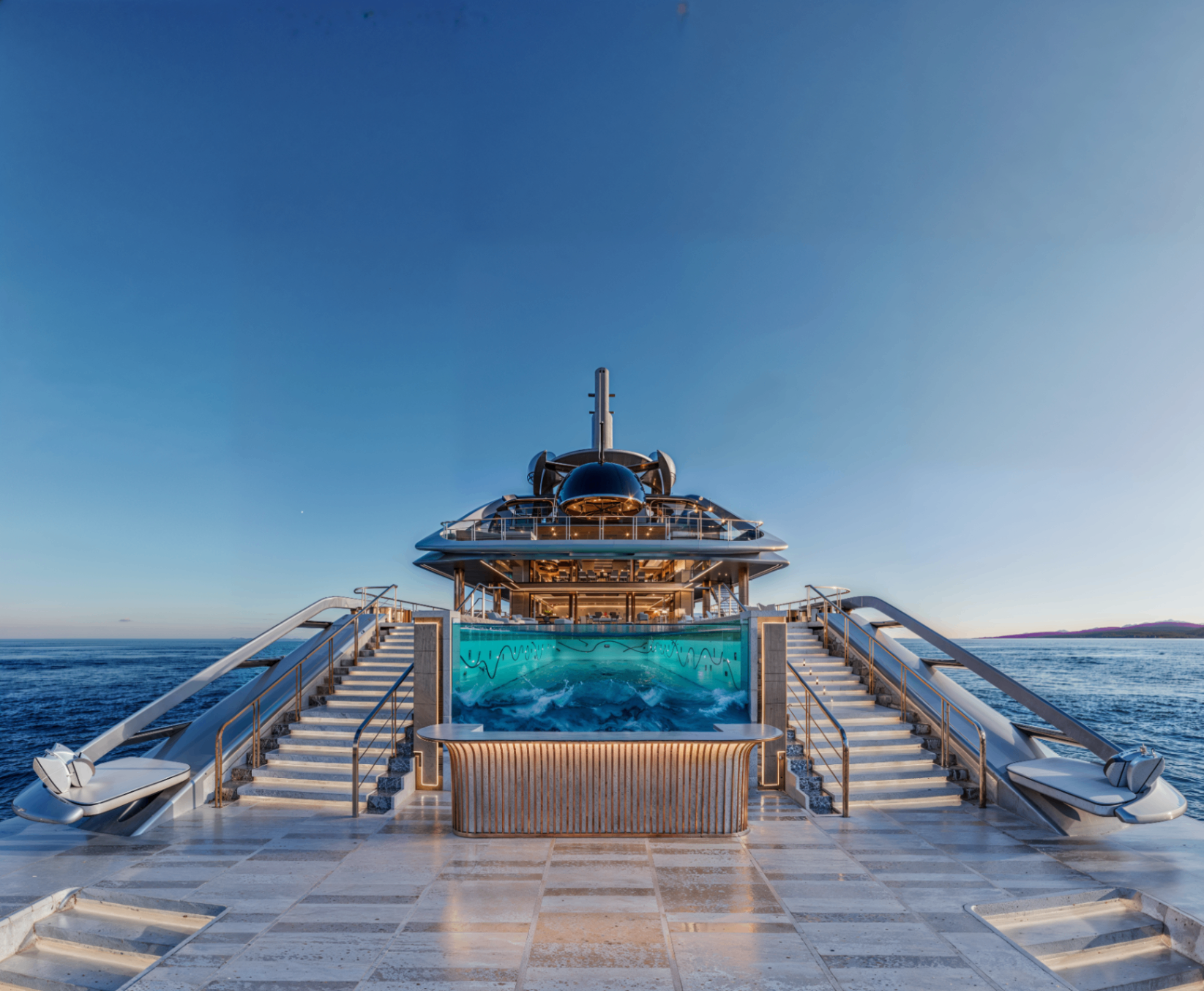
Aft deck study — a custom boat rendering showing scale, sea integration, and material resolution before the vessel is built.
Custom boat building is a conversation between the designer, the yard, and the owner. Every decision — hull form, deck layout, interior volume, window line — has to be approved before it becomes expensive tooling. 3D boat rendering turns that conversation into a shared image. For a custom builder or small shipyard, it is not a marketing afterthought; it is a sales, engineering, and client-alignment tool that sits at the front of the project.
Why Custom Builders Need Rendering Earlier
A production yard can sell from a finished hull. A custom builder has to sell from a promise. The owner is often buying a vessel that exists only as a lines plan, a general arrangement, and a mood board. 3D boat rendering closes that gap. It gives the client something tangible to approve, the naval architect something visual to reference, and the yard a reference that protects the design intent when specifications change.
Used early, renders also reduce late-stage rework. A client who can see the cabin proportions, the relationship between the helm and the saloon, or the visual weight of a radar arch will catch misalignments before they are laminated into the superstructure. The cost of a render is small compared to the cost of a change order.
From Lines Plan to 3D Hull
The starting point for a custom boat rendering is usually the designer's technical output: a lines plan, a 2D profile, or a basic CAD hull. The first task is to translate that into a watertight 3D model that is accurate enough to sell the design but not so dense that it becomes unmanageable. For custom boats under twenty-five metres, the model can be lighter than a superyacht digital twin, but the critical surfaces — the sheer line, the transom, the deck camber, and the window cutouts — must be exact.
Accuracy matters because the render is often used to judge proportions. If the hull is subtly too long, too beamy, or too low in the water, the owner's emotional response will be wrong even if they cannot name why. A good boat rendering studio will check the 3D model against the original drawings before any lighting or materials are applied.
Smaller Vessel, Same Material Fidelity
One of the myths of small-craft rendering is that a shorter hull means lower detail. The opposite is often true. A custom boat is packed with visible joinery, hardware, and upholstery within a confined space. Every hinge, cleat, stitch, and grain direction is closer to the camera, which means the material setup has to be tighter.
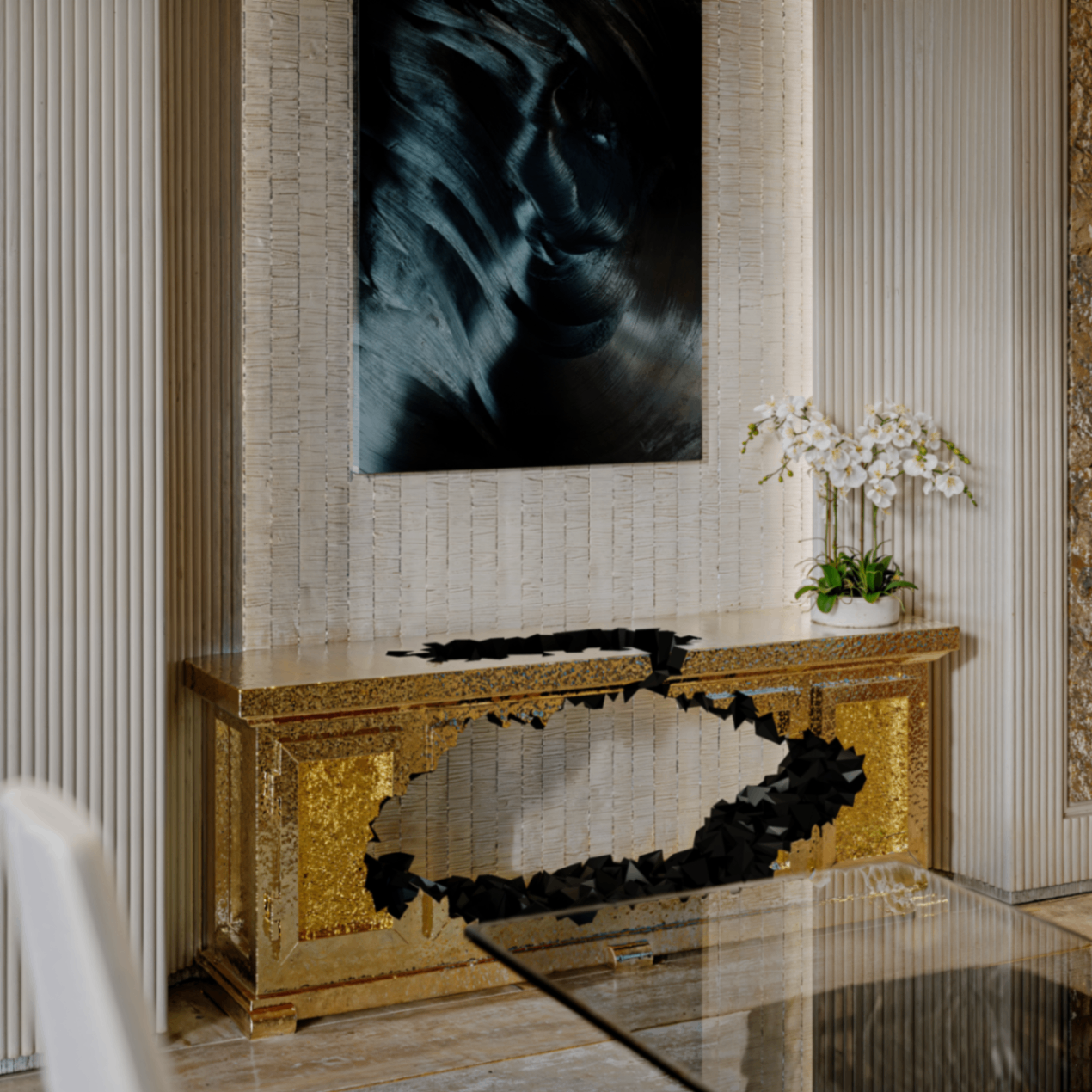
Teak decking, carbon-fibre panels, painted hull finishes, and stainless steel railings all behave differently under light. A custom boat rendering needs physically based materials with correct roughness, reflectance, and normal maps. For painted hulls, the colour must match the spec sheet under the chosen light, because the owner will compare the render to a sample swatch.
Lighting and Environment for Boats
The environment is part of the product. A custom fishing boat reads very differently against a Norwegian fjord than against a Bahamian sandbank. For a boat rendering to be useful, the lighting and sea state must match the intended use case. A sportfish needs a lively sea and a deck that catches the early sun. A cruising yacht needs a calm anchorage and warm interior glow at dusk.
We build custom HDRI environments and water displacement geometry for each project. The wake, the reflection, and the horizon line are not stock assets — they are matched to the vessel's size and the story the builder wants to tell. For smaller boats, the water interaction is especially important because the vessel sits lower and moves more visibly against the surface.
Deliverables That Drive Decisions
A custom builder does not need a fifty-image yacht brochure. The right deliverables for a boat rendering project are lean and decision-focused: a hero exterior quarter view, a profile study, a cockpit or helm detail, and one or two interior perspectives. Optional extras include a short animation showing the hull moving through water, or a turntable view that reveals the deck layout from multiple angles.
These assets are used across the build cycle. Sales teams place them on the website before the hull is laid. Designers use them in client presentations. Project managers pin them to the build board so the production team can see the target finish. The same render that wins the commission becomes the reference that keeps it on track.
Cost and Timeline Reality for Small Yards
3D boat rendering is priced by the complexity of the model and the number of views, not by the length of the boat. A ten-metre custom launch with highly detailed joinery and interiors can take as much production time as a thirty-metre yacht with simpler volumes. For small shipyards, the key is to define the scope before the model is built. Changing the hull form after surfacing is far more expensive than adding a new camera angle.
Typical timelines run from one to three weeks for a focused still-image set, depending on the quality of the source drawings. Animation adds a second phase of storyboarding, motion, and fluid simulation. For builders who need to hit a boat show or a launch date, the render schedule should be planned as early as the build schedule.
How This Differs from Superyacht CGI
Superyacht rendering is often about atmosphere and scale: a hundred-metre hull against a coastline, a grand saloon viewed through panoramic glazing. Custom boat rendering is about intimacy and proportion. The camera is closer. The details are denser relative to the frame. The owner is usually more involved in the day-to-day decisions, which means the render has to be accurate enough to survive scrutiny by someone who has already chosen the upholstery leather.
There is also a difference in production workflow. Superyacht projects often arrive with fully developed general arrangements and exterior styling packages. Custom boat projects may arrive with hand sketches and a preliminary GA. The rendering studio has to be comfortable building from incomplete data, asking the right questions, and flagging gaps before they become visible in the final image.
What to Send a Rendering Studio
The fastest path to a useful boat rendering is a clean handoff. Send the lines plan or CAD hull, the general arrangement, the exterior profile, and any reference photography of sister vessels or the desired style. A materials board with finishes and fabric swatches is essential. If the project is at an early stage, mark which elements are confirmed and which are still in design. The more transparent the brief, the fewer revisions are needed.
See the full yacht rendering service for deliverables, review rounds, and how a custom boat rendering project moves from first drawings to final hero frames. Or brief us on a specific vessel and we will scope the views and timeline to your build schedule.